Rescued at the border… and then what?
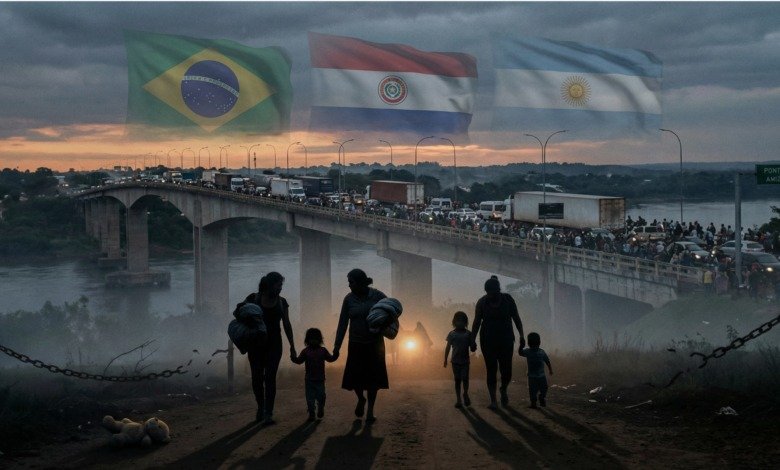
Paraguay is a very poor country where an estimated 2,260 children are currently missing. Behind this number lies a reality of exploitation, abuse, and child trafficking—often hidden, but deeply devastating.
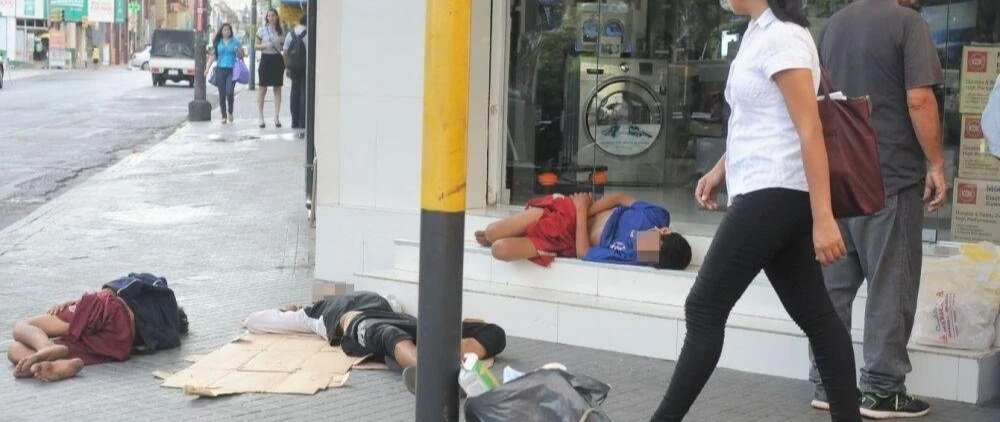
Thousands of children live on the streets. But many children who do have a home are also vulnerable; due to poverty and the widespread absence of fathers in the slums, there is little supervision of children who must fend for themselves all day while their mothers work...
Child trafficking occurs in this environment in various ways;
Children are taken by criminals and trafficked to Brazil for their organs or for prostitution.
Poor children are sold (often by their own families) to wealthy families to work for them as a kind of slave and are often exploited and abused there.
There is a trade in babies for illegal adoption.
In October 2024, we shared with you that Jacob and Nathaly were confronted with this phenomenon of “disappearing children” in their work in the slums of Ciudad Del Este. They then launched prevention initiatives against this child trafficking—your financial and moral support made this possible! Through their efforts to prevent children from falling prey to traffickers, they have already reached hundreds of people, and the news is spreading further and further through the slums!
But it did not stop at prevention…
A growing movement against child trafficking
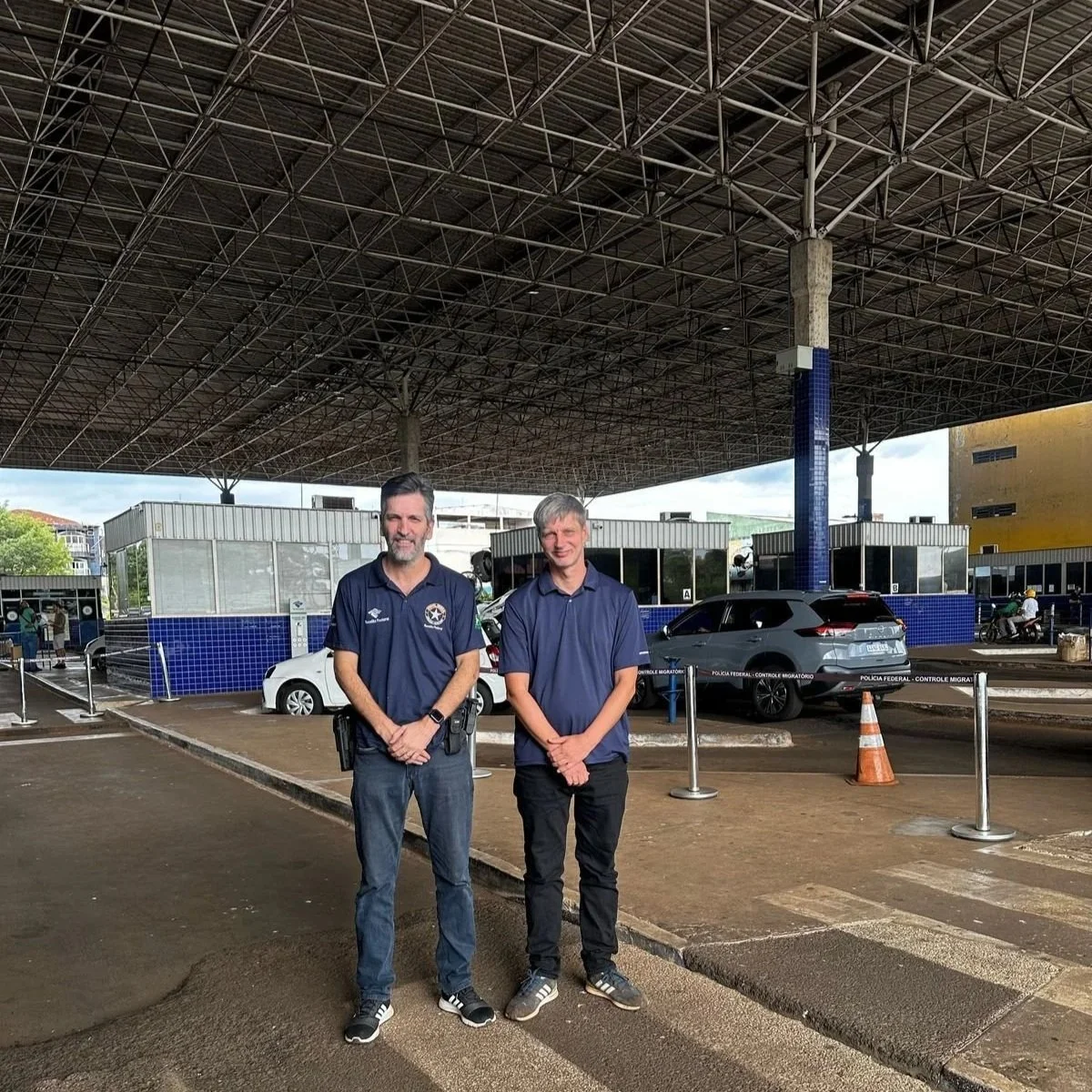
In collaboration with customs, the federal police, and the Paraguayan consulate, a task force has been formed: Stop Child Trafficking. Thanks to this collaboration, more and more children who have fallen victim to human trafficking are being found. Drawing on his experience in preventing child trafficking, Jacob is a member of this task force and has even become its national spokesperson.
Below, you can see Jacob with customs officials at the border crossing to Brazil on the left, and on the right, him and Nathaly being interviewed on national television about the task force. They were also featured in a Brazilian newspaper, where they explained how traffickers operate to target vulnerable children and what they are doing to prevent it.
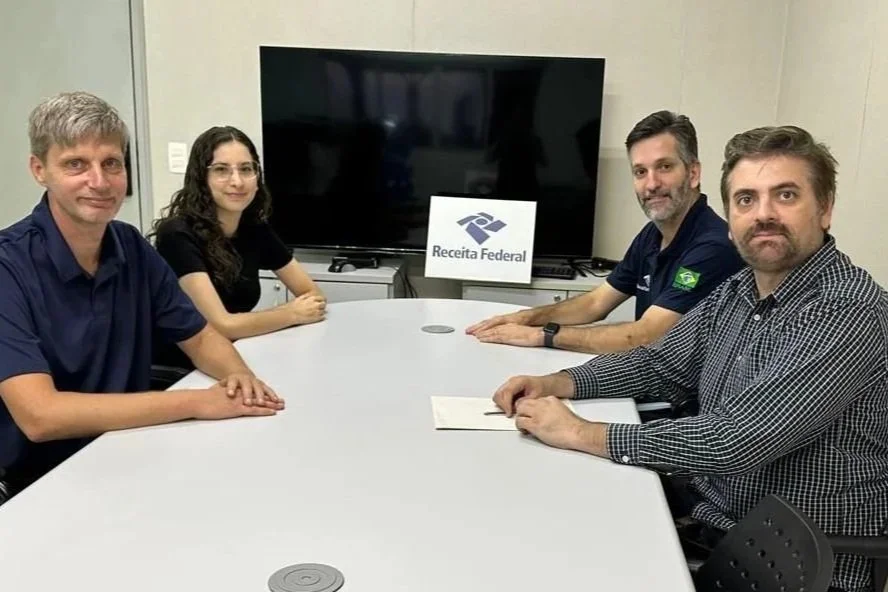
The Task Force in consultation

This development is hopeful: collaboration is emerging, and the lives of vulnerable children are actually being saved!
On May 26, an important next step will be taken: a special facility will open at the border between Paraguay and Brazil where victims of human trafficking can be temporarily sheltered.
A safe place for those rescued from the hands of traffickers. For children trafficked for their organs, for prostitution, and babies for illegal adoption.
A painful reality
But it is precisely there that another problem becomes apparent. Because what happens to these children after that initial shelter?
In many cases, there is no safe home or shelter for them to go to afterward. Without an alternative, they often end up on the streets—vulnerable and once again exposed to abuse and exploitation.
The reality is stark: rescue is only the beginning.
Years of presence where help is needed
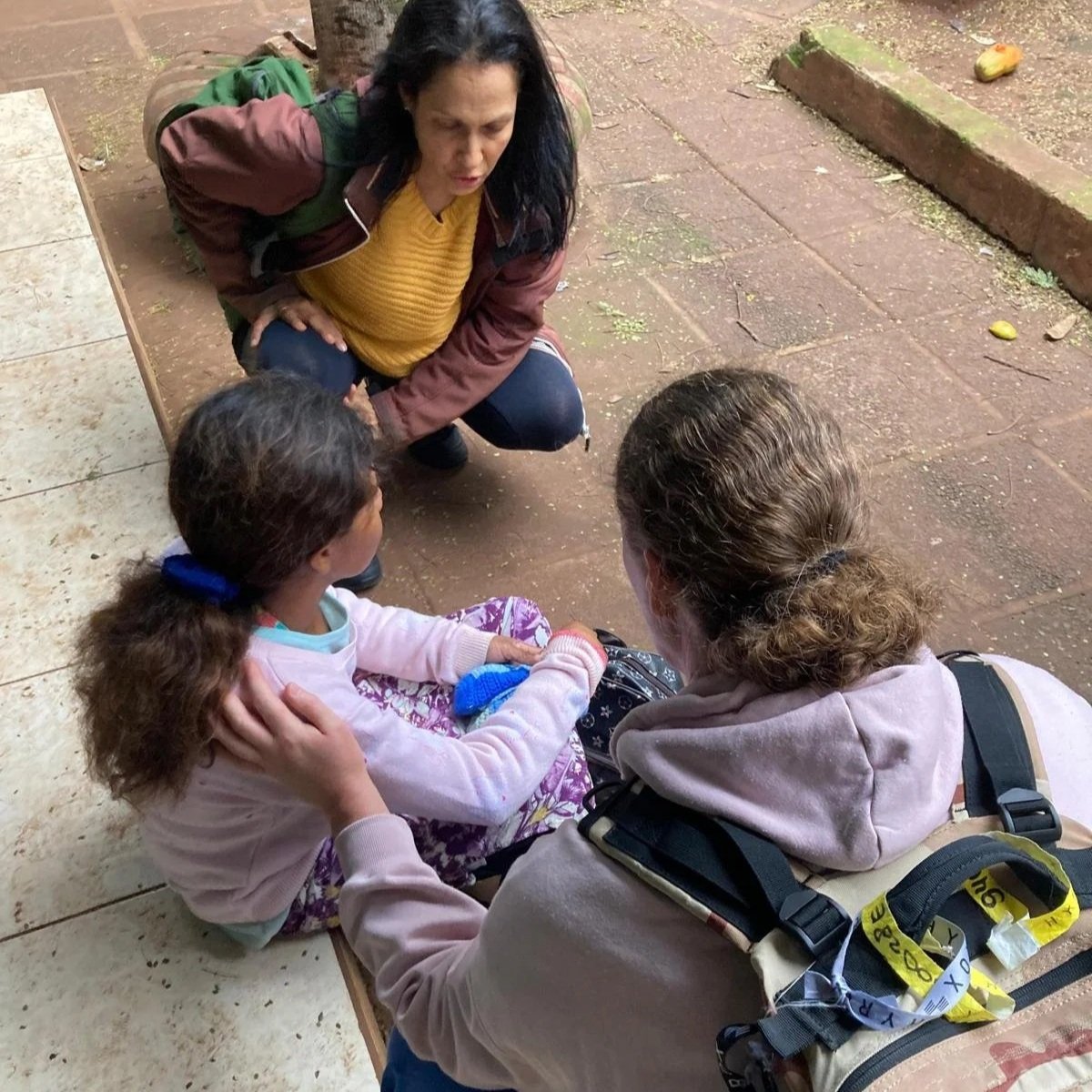
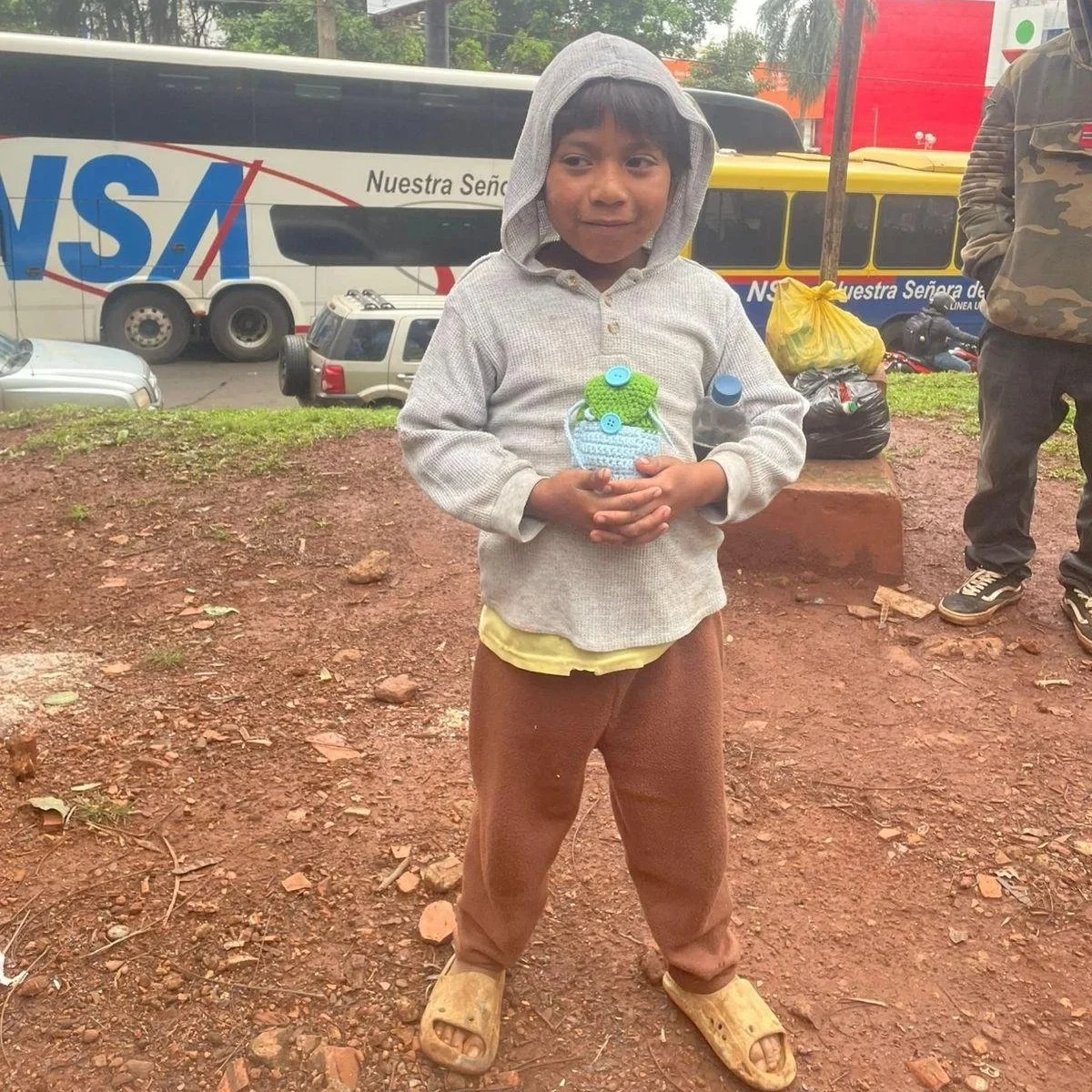
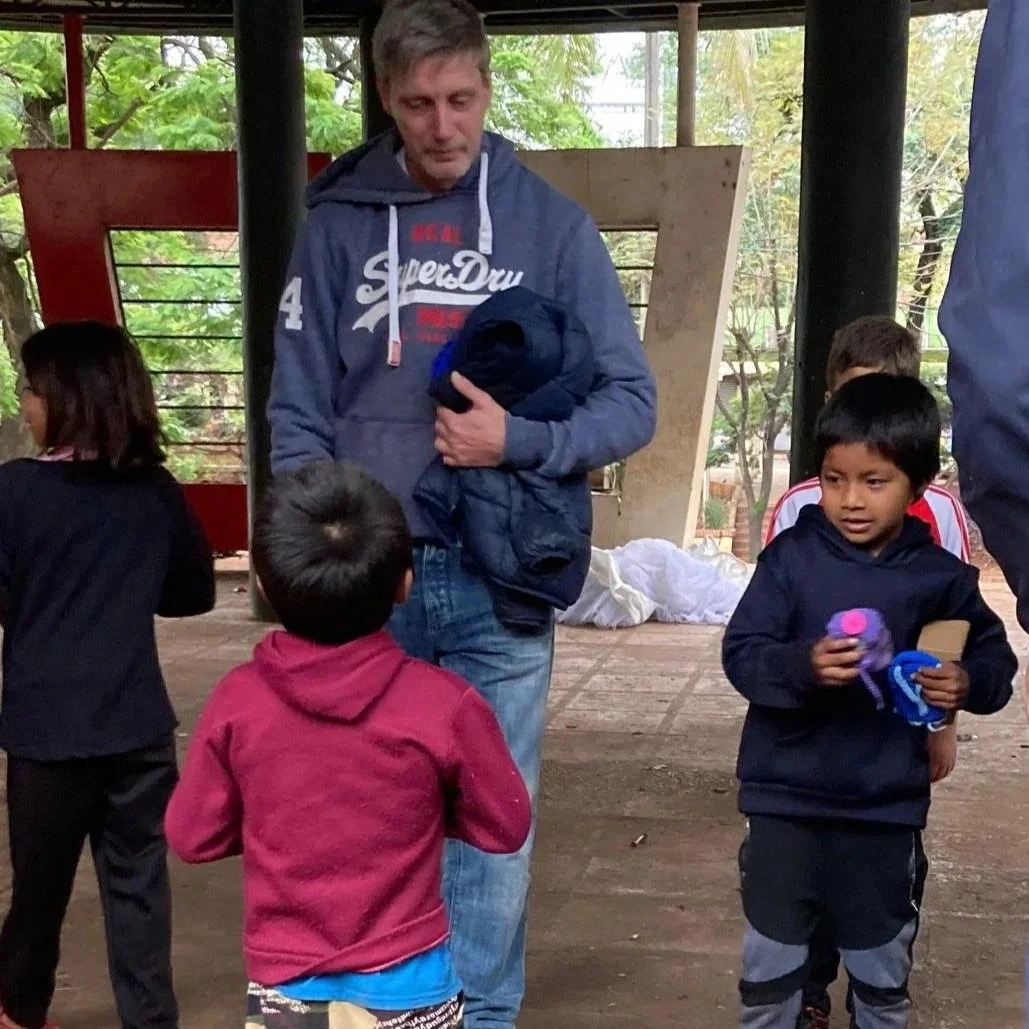
Through Prayer & Mission, Jacob and Nathaly and their team have been active for years in the slums of Paraguay and in the border region with Brazil. In the photos below, you can see an outreach that Jacob and Nathaly and their team conduct among children in high-risk areas; they also work to prevent child trafficking by distributing flyers.
They distribute food, support poor families through a sponsorship program, organize the CREE after-school program, and go out to share the Gospel—especially in places where hope is scarce. Because of this long-term presence, they know the backgrounds, the situations, the families, and the children. They see the need up close, but they also see how God works—often in small, personal encounters. Out of that personal commitment, they are also affiliated with the working group against child trafficking.
Ready for the Next Step
Recent developments have brought us to a new juncture.
Now that more and more children are being found and an initial shelter is being established at the border, the need for the next step is growing: sustainable, safe shelter where children can find peace and recover.
The only options currently available are returning them to the same situation or placing them in closed facilities. Take Rico, a 9-year-old boy who was tracked down by the Brazilian federal police and returned to Paraguay. Rico ended up in a semi-closed government shelter—a house surrounded by barbed wire and equipped with cameras. While this is intended for his own safety, in reality it only serves to further traumatize him.
Children who return to their own communities are, in many cases, at high risk of being trafficked again. A heartbreaking example is that of Joseline, who was sold by her own mother out of poverty to a wealthy family in Brazil to work there. She was rescued and, due to a lack of shelter options, returned home, but she was so afraid that her mother would sell her again that she ran away and spent years wandering the streets.
To provide these children with a loving and safe environment, the team in Paraguay is working toward establishing foster care placements within local families. Not large-scale care, but a place where a child is seen. Where there is room for healing, guidance, and a future.
What is needed?
To make this step possible, various practical and organizational preparations are required. These include establishing the right structure, screening and supporting families, and providing basic care for these children—such as education and psychological support.
For this initial phase, an amount of approximately €8,000 is needed. This amount is required for:
Purchasing a license for the foundation to provide care
Compensation for the foster families who undergo screening
Monthly support for the additional costs they incur for counseling by a psychologist, school fees, food, etc.
In total, €50,000 will be needed over the coming years to properly establish long-term care facilities and provide families with ongoing guidance and support. This will allow us to directly build on what is already happening at the border—and prevent children from falling through the cracks again after being rescued.
Building Recovery Together
We see how God opens doors: through collaboration with authorities, in the recovery of children, and in new opportunities to offer help. At the same time, we feel the responsibility to be ready—precisely when these children need a place to go. So that rescue is not the end of their story, but the beginning of recovery.
Will you contribute to a safe place for these children?
Watch a clip below about child trafficking that aired on national television. Several members of the task force were interviewed for this, and footage was filmed at the border. In this clip, Jacob and Nathaly share their real-world experiences and what they are already doing in terms of prevention. (The subtitles aren’t entirely accurate, but it does give a good picture of the situation described above.)